Cell Culture Reagents from a PBS Supplier for Research Labs
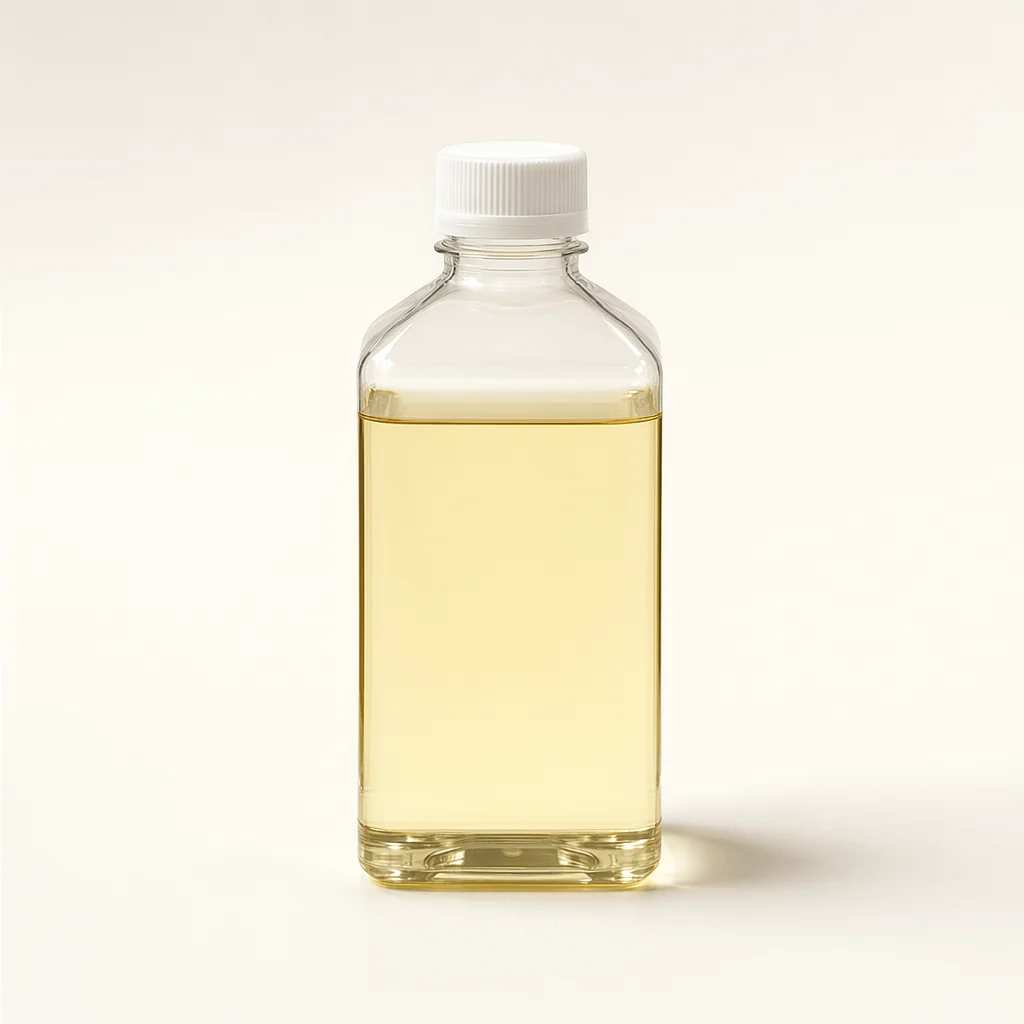
A PBS supplier provides phosphate buffered saline and related cell culture reagents used to wash, dilute, buffer, dissociate, supplement, and preserve research cell systems. CellCultureMedia supports B2B buyers, biotech R&D teams, and academic laboratories with dependable access to PBS, HBSS, HEPES, trypsin-EDTA, antibiotic solutions, supplements, freezing reagents, and dissociation enzymes. This category is designed for procurement teams that need clear specifications, responsive quotation support, and shipment planning across international sites. Products are supplied for research and manufacturing support workflows, with free worldwide shipping available to help simplify landed-cost planning and multi-site purchasing.
What this category/application covers
Cell culture reagents are the supporting materials that keep routine culture workflows consistent from thawing through passage, feeding, washing, dissociation, supplementation, and cryostorage preparation. For procurement managers, this category often includes high-turnover stock items that must be available in predictable formats and supported by documents for internal receiving, quality review, and inventory control. For scientists, the same products must match osmolarity, pH range, sterility status, and formulation expectations so experimental variables remain controlled.
As a PBS supplier, CellCultureMedia offers reagent sourcing support for laboratories running adherent and suspension cell systems, primary cell research, cell line maintenance, and process-development studies. Common use environments include basic research, stem cell research, and bioprocessing support workflows. Buyers can consolidate frequently used buffers, salts, supplements, antibiotics, and dissociation materials into a single purchasing conversation, helping reduce supplier fragmentation and administrative effort.
Common products and formulations
- PBS and DPBS: phosphate buffered saline options for washing cells, preparing dilutions, rinsing culture surfaces, and supporting non-nutritive handling steps. Calcium and magnesium status should be selected based on downstream use.
- HBSS and balanced salt solutions: buffered salt systems used for short handling steps, tissue processing workflows, and wash procedures where ionic balance and pH stability are important.
- HEPES buffer and buffer additives: buffering components used when cultures or processing steps require added pH stability outside tightly controlled incubator exposure.
- Trypsin-EDTA and dissociation reagents: enzymatic and chelation-based products for detaching adherent cells, passaging routine lines, or preparing cell suspensions for counting and downstream analysis.
- Penicillin-streptomycin and antibiotic solutions: commonly specified antimicrobial additives used in research culture systems where the protocol calls for antibiotic support.
- L-glutamine and nutrient supplements: labile nutrient components and concentrated supplements that may be added to basal formulations based on cell type and experimental design.
- ITS, B-27 style supplements, and specialty additives: defined supplement blends used in selected serum-reduced or specialized culture workflows.
- Cell freezing media and cryostorage reagents: reagents used to prepare cells for controlled-rate freezing and long-term inventory management in research cell banks.
Available catalog options can be reviewed through our product directory, and procurement teams may request matching support when a specification sheet or internal item code is already in use.
How to choose
Start with the exact workflow step. A reagent used for washing before dissociation may not require the same formulation as a reagent used during tissue handling, short-term transport, or supplementation. For PBS selection, confirm whether the protocol calls for calcium and magnesium, without calcium and magnesium, sterile filtered format, specific pH range, or a particular packaging size. For HBSS, determine whether phenol red, glucose, sodium bicarbonate, calcium, or magnesium are required. For trypsin-EDTA, concentration, exposure time, enzyme strength, and neutralization method should be aligned with the cell type and protocol.
Procurement teams should also compare pack size, shelf life, storage condition, lead time, and batch documentation. High-use products may be better purchased in case quantities, while sensitive supplements may require smaller packs to reduce repeated freeze-thaw exposure. International buyers often need predictable freight terms, export-ready paperwork, and realistic delivery timelines. CellCultureMedia frames quotes with free worldwide shipping where applicable, helping buyers compare total cost without hidden freight assumptions.
If your lab needs a nonstandard concentration, private-label pack size, or a formulation aligned to a site-specific protocol, CellCultureMedia can review requirements for custom sourcing and formulation support. Share the target specification, annual volume, preferred packaging, and any documentation expectations so the quotation can be built around both scientific and purchasing needs.
Quality and documentation
Quality review is a practical part of reagent purchasing. Typical documentation may include certificate of analysis, product specification, sterility information, lot traceability, storage guidance, and safety data sheet where applicable. Buyers should confirm that each document matches the requested product grade, pack size, and lot supplied. For regulated or audited research environments, documentation consistency can be as important as the product itself because it supports receiving checks, internal approvals, and repeat ordering.
CellCultureMedia supports documentation-led procurement for labs that require a clear quality file before purchase approval. Our quality and documentation information helps buyers understand available support, while quotation discussions can identify special paperwork needs before shipment. For critical reagents, we recommend recording catalog number, lot number, expiration date, storage condition, and internal use location at receiving. This improves traceability and reduces delays when teams reorder, compare lots, or transfer protocols between sites.
Why work with CellCultureMedia
- Focused cell culture sourcing: our catalog is built around media, sera, buffers, supplements, and reagents used by research and process-development laboratories.
- Procurement-ready communication: receive practical support for specifications, documentation, pack sizes, lead times, and quote structure.
- Global shipment planning: free worldwide shipping is available to simplify purchasing for academic labs, biotech companies, distributors, and multi-site research teams.
- Application-aware support: we help align reagent selection to routine culture, stem cell workflows, suspension systems, cryostorage preparation, and scale-up support.
- Consolidated ordering: buyers can combine PBS, HBSS, HEPES, antibiotics, supplements, freezing reagents, and dissociation materials in one quote request.
To source PBS or related cell culture reagents, send your target product list, preferred pack sizes, annual demand estimate, and documentation requirements through the request a quote page. The CellCultureMedia team will respond with availability, pricing, lead-time guidance, and documentation options for your purchasing review.
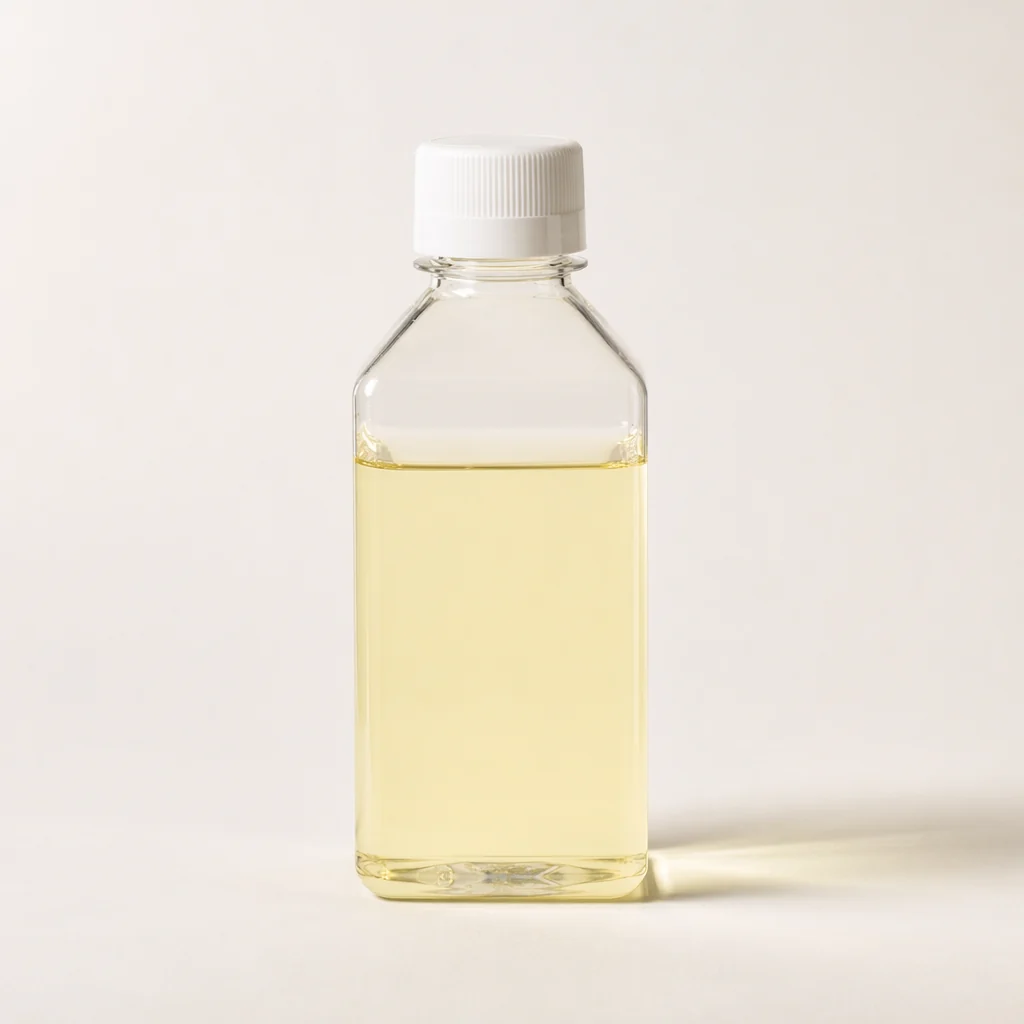
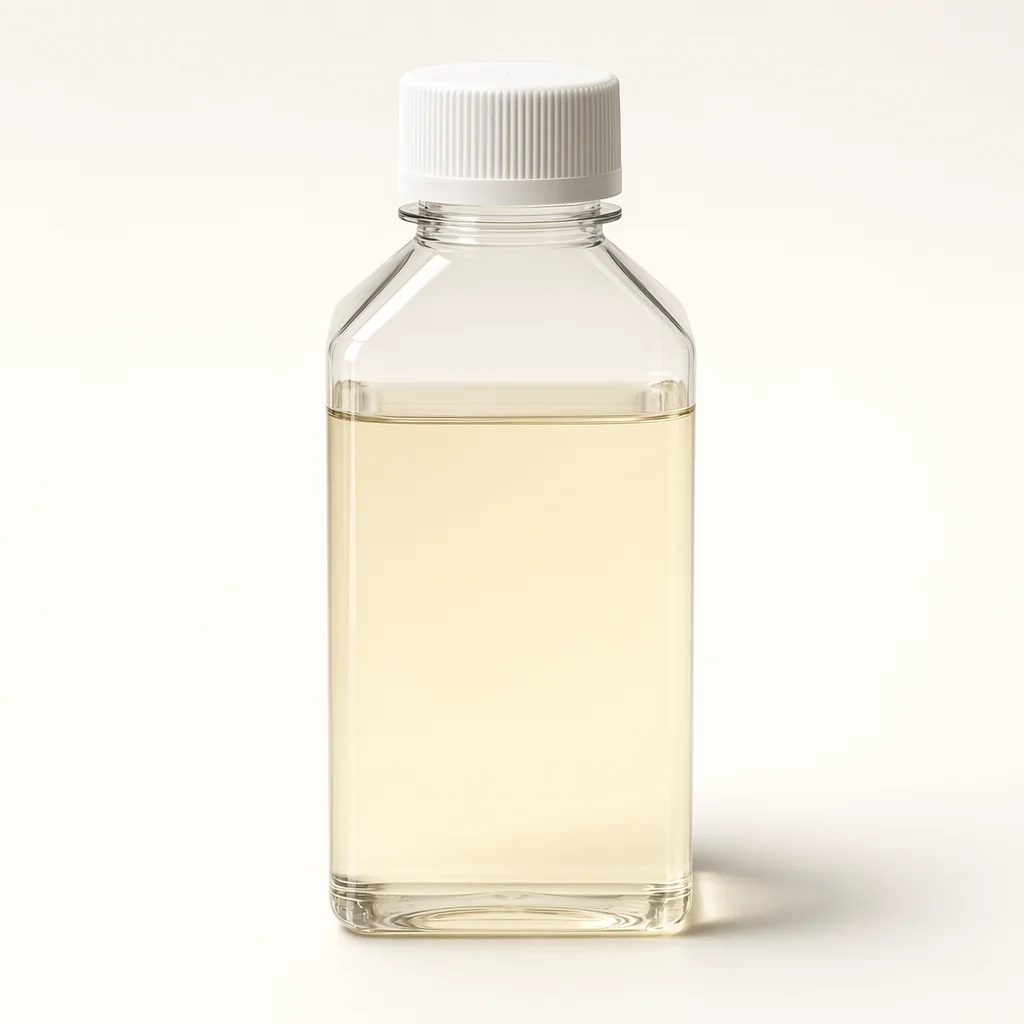
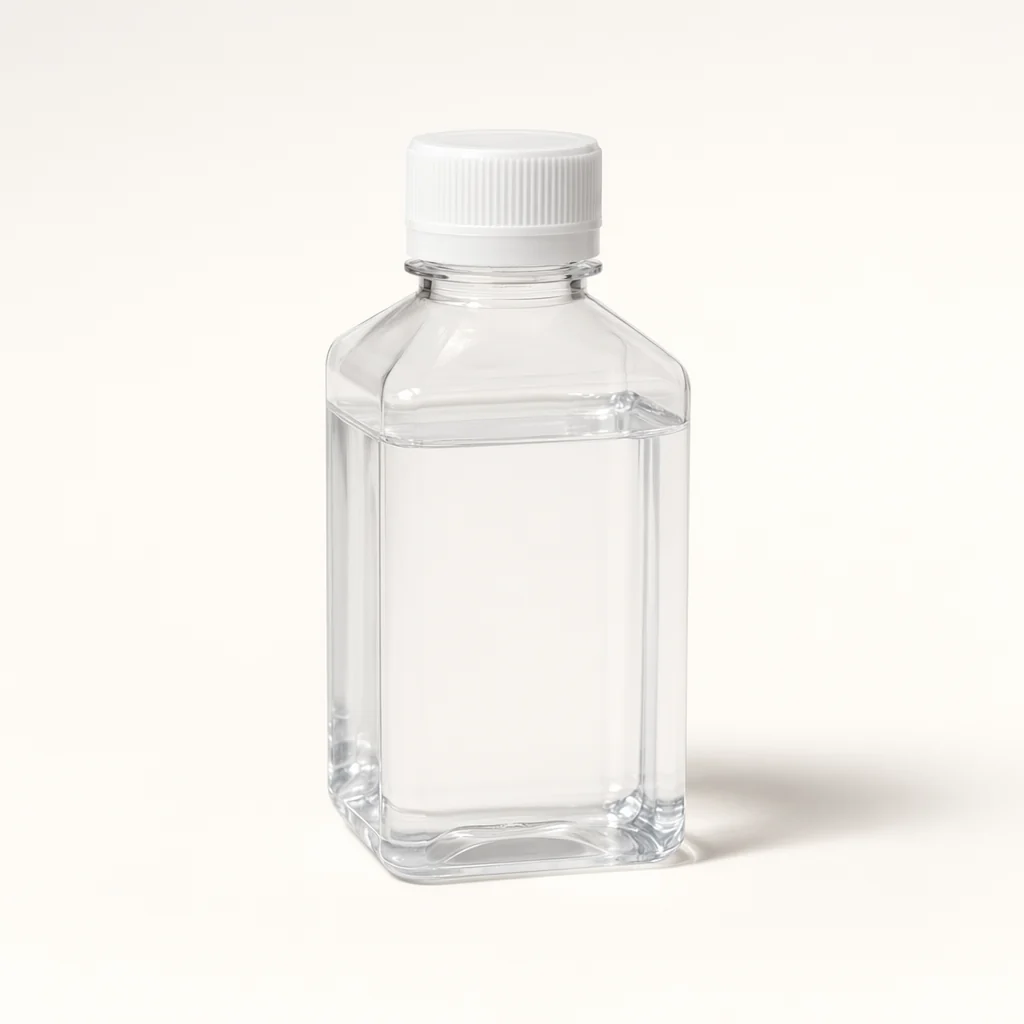
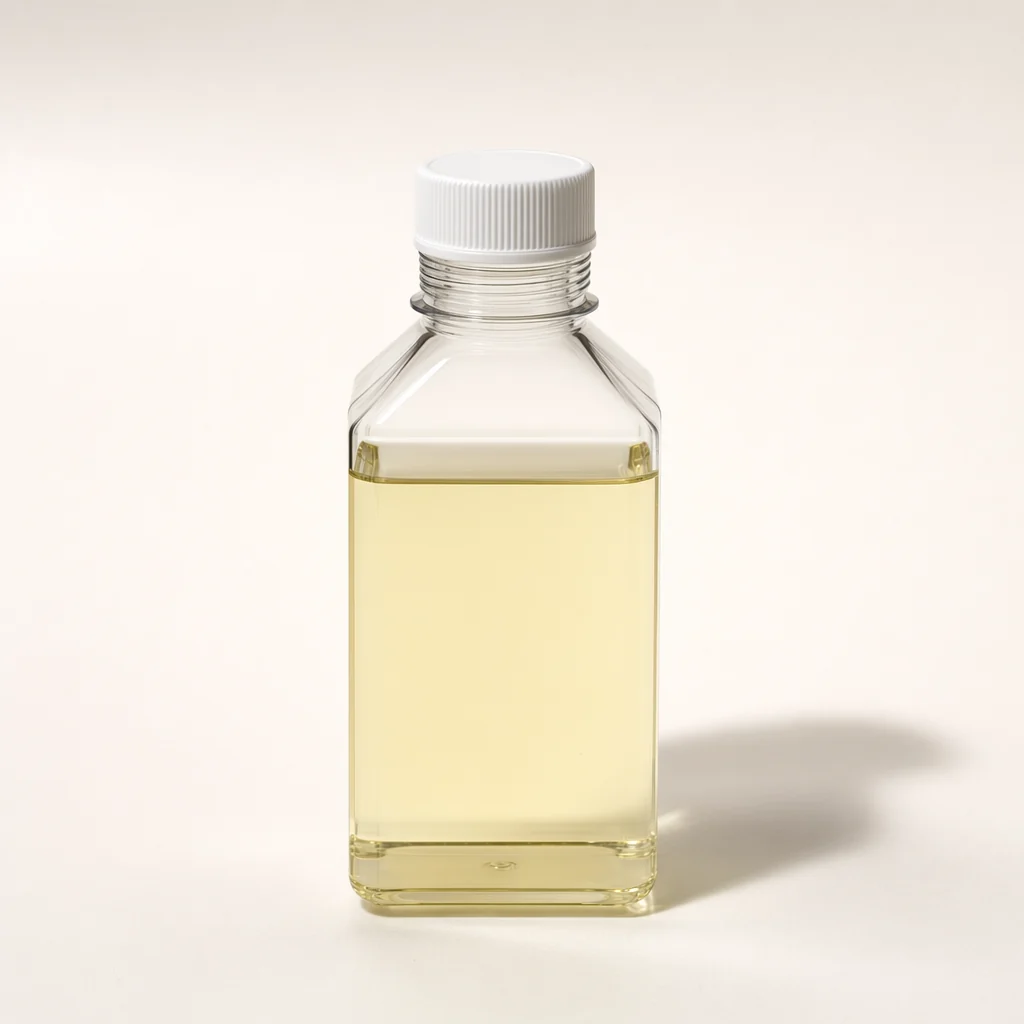
Products in Cell Culture Reagents



Common questions about cell culture reagents
What should I confirm before choosing a PBS supplier?
Can CellCultureMedia supply PBS together with other reagents?
Do you support academic labs and biotech companies outside your home market?
What documents are typically available for cell culture reagents?
How should I request a quote for cell culture reagents?
Looking for a specific cell culture reagents product?
Our technical team can recommend formulations, share Certificates of Analysis, and quote bulk pricing within one business day.
Request a Quote