Cell Culture Media for Bioprocessing & CMO Supply
Cell culture media for bioprocessing are liquid and dry formulations used to expand production cell lines, support process development, and supply CMO scale-up programs. For procurement teams and scientists, the key buying question is not only which medium performs in a flask, but whether the supply model can support repeat orders, documentation, lot planning, and transfer into larger vessels. CellCultureMedia supplies serum-free, chemically defined, animal-derived component-free, and custom feed options for research, development, pilot, and manufacturing workflows. We support global buyers with clear specifications, responsive quotation handling, and free worldwide shipping for qualified orders.
What this category/application covers
Bioprocessing media cover the formulations used to grow mammalian, insect, microbial, and other production-relevant cells during clone screening, process development, seed train expansion, fed-batch runs, perfusion studies, and scale-up. For CMOs, these materials must fit multiple customer programs while remaining consistent enough for repeatable transfer between sites, vessels, and campaign sizes.
This application page is designed for buyers sourcing media for contract manufacturing organizations, process-development groups, platform teams, and academic core facilities that run higher-volume culture work. Typical requirements include chemically defined composition, animal-derived component-free sourcing, low endotoxin targets, osmolality control, sterile filtration, and documentation that can be reviewed by quality, procurement, and technical teams. You can browse relevant bioprocess media, compare serum-free media, or review standard catalog availability through our product directory.
Common products and formulations
- Chemically defined production media: Designed for controlled process development where component transparency, lot comparison, and reduced raw-material variability are priorities.
- Serum-free and protein-free media: Used when teams need lower background complexity, simpler downstream processing, and a more defined material profile than serum-containing systems.
- Animal-derived component-free media: Selected for programs that require careful control of raw-material origin and documentation for supplier qualification files.
- Feed supplements and nutrient concentrates: Used in fed-batch and intensified processes to extend culture duration, improve nutrient balance, and support higher cell density targets.
- Classical and platform media: Standard formulations are often used for seed train work, adaptation studies, assay support, and early development. Buyers can review options in classical media when a familiar base formulation is required.
- Custom media and feeds: For organizations with defined composition targets, preferred raw-material restrictions, or process-specific nutrient profiles, our custom media service supports tailored formulation and supply planning.
How to choose
Start with the biology, then map the supply requirements. Scientists usually evaluate cell line, growth format, vessel type, inoculation density, feeding strategy, culture duration, and downstream compatibility. Procurement teams add another layer: pack size, lead time, shelf life, shipping lane, documentation availability, reorder reliability, and whether the same item can be supplied across multiple project phases.
For early screening, a smaller number of ready-to-order formulations may be enough. For process development, buyers often need side-by-side lots, defined specifications, and enough continuity to support adaptation studies. For CMO use, the purchasing decision should also consider customer project diversity. A media platform that works across several programs can simplify inventory, but a custom formulation may be justified when performance, component restrictions, or continuity requirements are more specific.
Format also matters. Liquid media reduce preparation time and are convenient for many R&D teams. Dry powder media can be more efficient for high-volume storage and shipping, but they require qualified preparation procedures. Feed strategy should be reviewed together with the base medium because glucose, amino acids, vitamins, lipids, trace elements, and osmolality interact across the run. If you are uncertain which option best fits your process stage, request a technical and commercial review through request quote with your cell type, scale, target format, and documentation needs.
Quality and documentation
For bioprocessing procurement, quality documentation is often as important as formulation selection. CellCultureMedia can provide product specifications, certificates of analysis, sterility or bioburden-related test summaries where applicable, endotoxin information where available, composition summaries when permitted, and lot traceability details. Documentation scope depends on the product, format, and supply arrangement, so buyers should confirm requirements before placing large or recurring orders.
Raw-material continuity should be discussed early. CMOs may need notification practices, reserved lots, forward purchasing, or campaign-based supply planning. R&D labs may need smaller pilot quantities first, followed by a smooth path to larger pack sizes. Our quality information page outlines how we approach supplier control, specification review, and documentation support. For programs moving from evaluation to repeat supply, we recommend aligning technical acceptance criteria with purchasing criteria so that lot approval, release timing, and warehouse receiving steps are not handled separately.
Why work with CellCultureMedia
- Application-focused sourcing: We help align media type, format, pack size, and documentation with CMO, process-development, and scale-up workflows.
- Independent international supply: Buyers can consolidate media, sera, reagents, and supporting materials through a responsive supplier with global logistics experience.
- Custom and catalog options: Choose from ready-to-order formulations or discuss custom base media, feeds, concentrates, and project-specific component restrictions.
- Procurement-ready communication: We support RFQs, product comparisons, lead-time checks, documentation requests, and repeat-order planning.
- Free worldwide shipping: Qualified orders can ship globally with free worldwide shipping, helping distributed R&D and manufacturing teams simplify landed-cost planning.
To move from media evaluation to reliable supply, share your target formulation, cell type, vessel scale, quantity forecast, documentation checklist, and delivery country. CellCultureMedia will prepare a practical quotation and advise on available catalog or custom-media routes for your bioprocessing program.
Recommended Categories
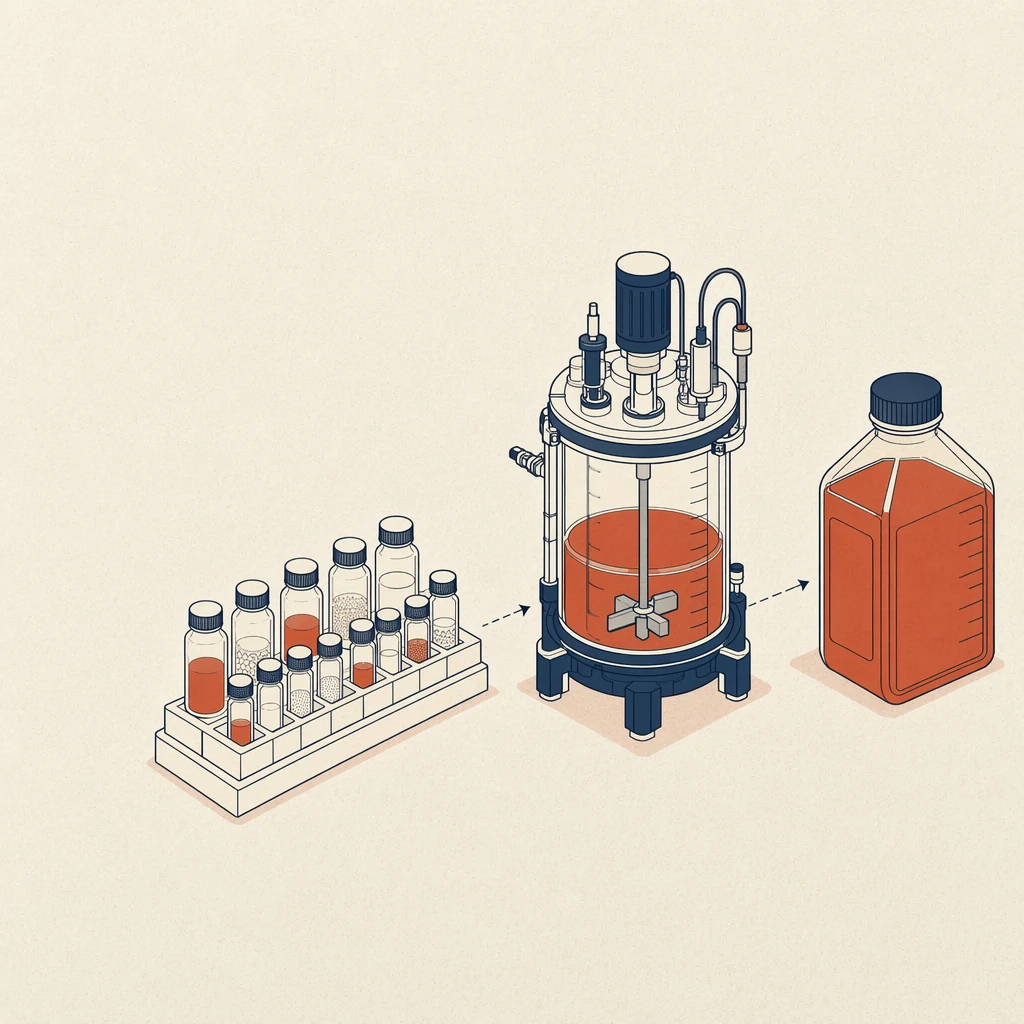
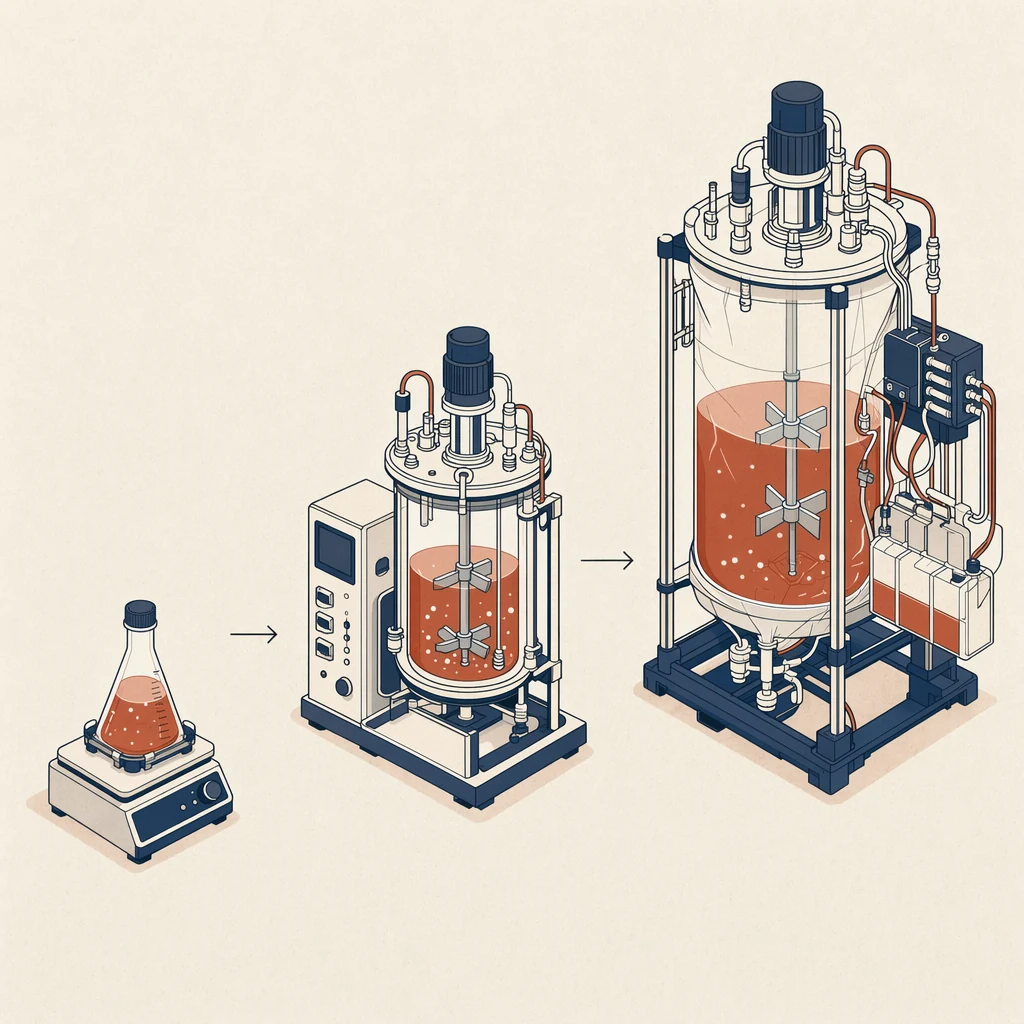
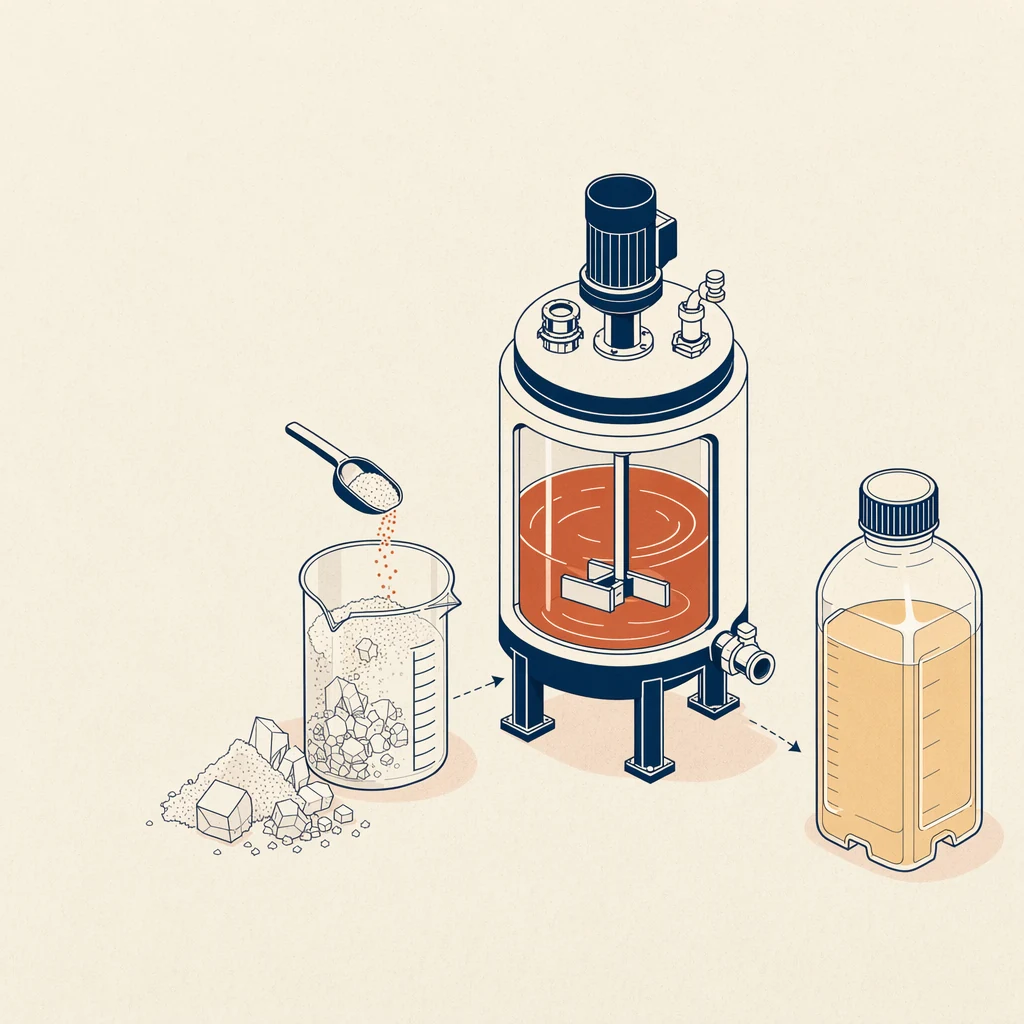
For bioprocessing & cmo workflows, customers most often need media and reagents from these categories. Each ships free worldwide.
Common questions about bioprocessing & cmo
What information should we provide for a bioprocessing media quote?
Can CellCultureMedia support CMOs with multiple customer programs?
Do you offer chemically defined and animal-derived component-free media?
How should we compare liquid media and dry powder media?
How do we start a custom media or feed project?
Discuss your bioprocessing & cmo requirements
Tell us about your cell line, target scale, and regulatory context. We will recommend specific products, share documentation, and quote pricing.
Request a Quote