Cell Culture Media for Monoclonal Antibody Production
Cell culture media for monoclonal antibody production are optimized nutrient systems that support CHO, hybridoma, and related expression platforms. For B2B buyers and R&D teams, the right medium is not only a growth environment; it is a variable that affects cell density, productivity, workflow consistency, and scale-up planning. CellCultureMedia supplies serum-free, chemically defined, animal-derived component-free, and classical formulations for discovery, clone screening, process development, and production-scale mAb workflows. We support international laboratories, biotech developers, and contract manufacturing teams with specification review, lot documentation, and free worldwide shipping, helping teams align performance requirements with practical purchasing needs.
What this category/application covers
Monoclonal antibody production media cover the upstream culture environments used to expand cells, express antibody proteins, and maintain performance across screening, scale-up, and manufacturing workflows. Common platforms include CHO suspension cultures for recombinant mAb expression and hybridoma systems used in early antibody generation and characterization. Media selection often depends on cell line history, target expression level, adaptation status, serum requirements, feed strategy, and the expected production format.
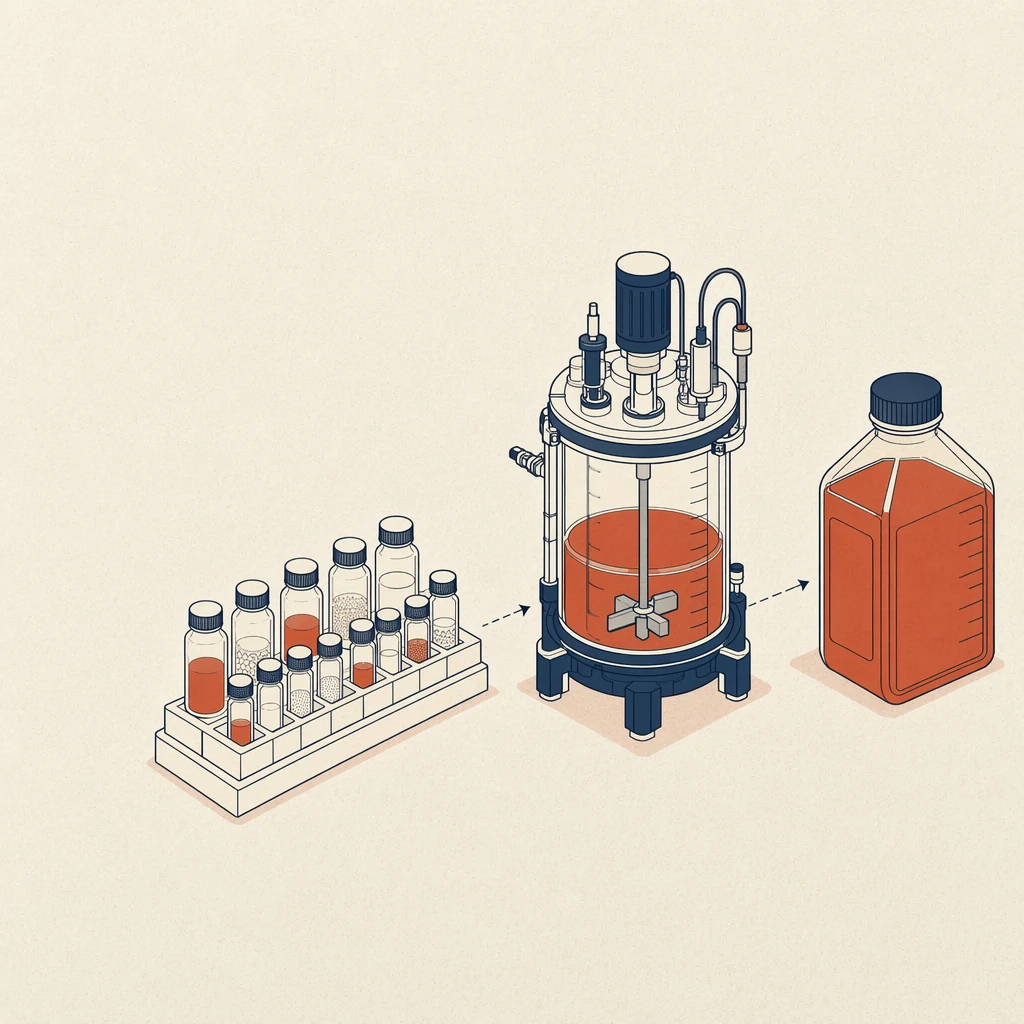
For teams moving from small flasks to shake flasks, spinner systems, benchtop bioreactors, or larger stirred-tank formats, medium consistency becomes a key purchasing factor. A formulation that performs well during early screening should also offer a practical pathway toward scale-up. Buyers often compare serum-free options, chemically defined systems, and animal-derived component-free formats to reduce undefined inputs and simplify quality review. Explore relevant serum-free media options when your team needs lower variability and easier documentation alignment.
Common products and formulations
- CHO production media: serum-free or chemically defined media designed for suspension CHO cell growth, high viable cell density, and recombinant mAb expression.
- Hybridoma media: nutrient-rich formulations for hybridoma growth, antibody screening, and early-stage laboratory production, including serum-reduced or serum-free options where compatible.
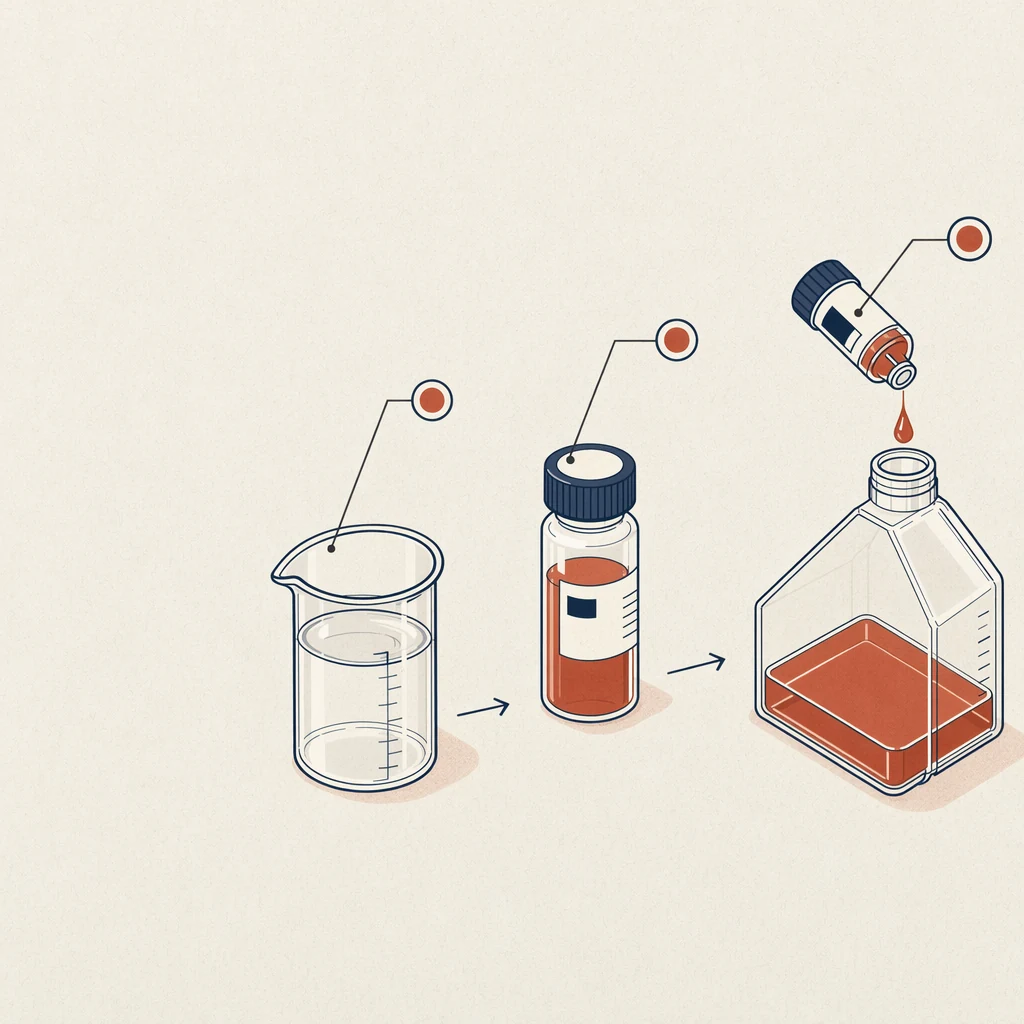
- Classical media: widely used base formulations for maintenance, adaptation work, and comparison studies; see classical media for common laboratory formats.
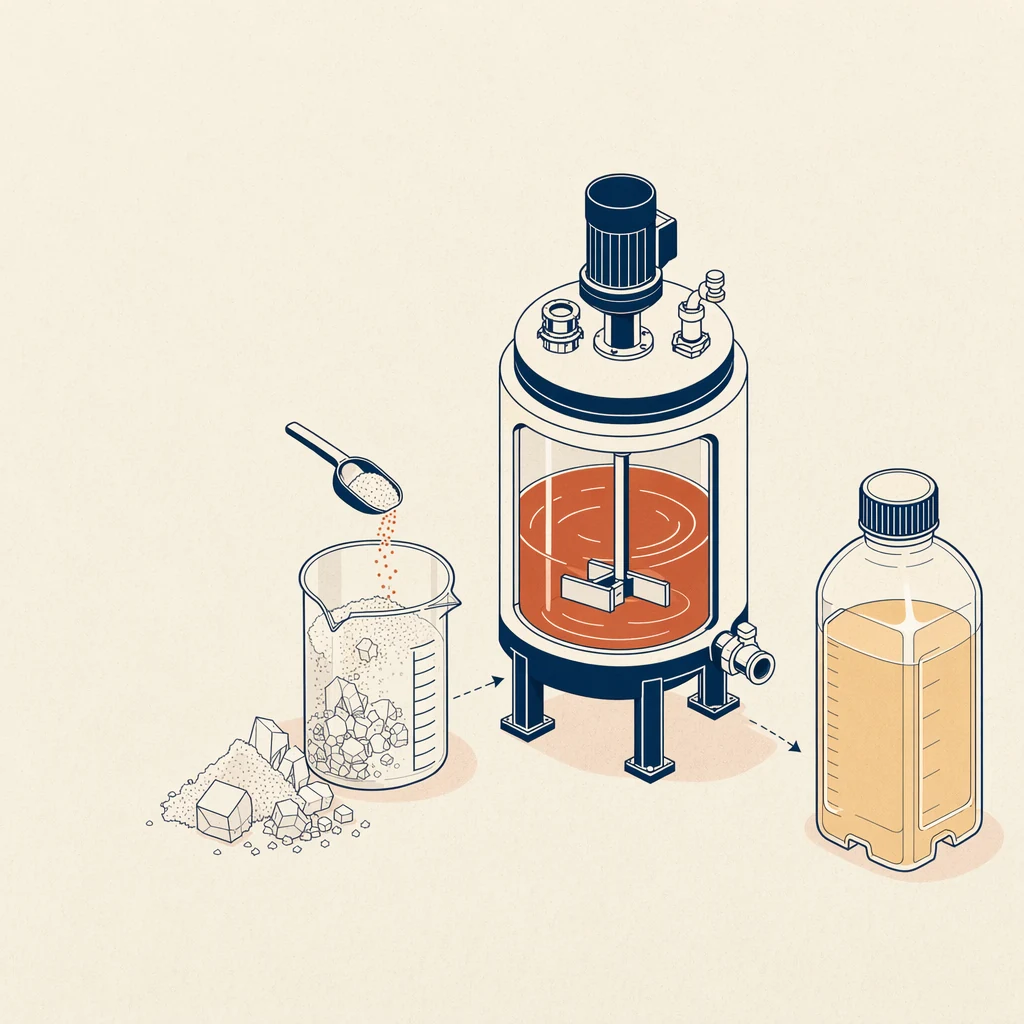
- Feed supplements and reagents: process additives, buffers, and supporting materials that help optimize culture duration, osmolality, and productivity; related options are available under cell culture reagents.
- Animal-derived component-free media: formulations selected when supply transparency and defined input control are important for regulated manufacturing programs.
- Custom formulations: media adjusted for specific cell lines, nutrient profiles, adaptation targets, or purchasing specifications through custom media support.
How to choose
Start with the expression platform. CHO-based mAb production usually favors suspension-ready, serum-free, and chemically defined formulations, while hybridoma workflows may require a different balance of nutrients, proteins, and adaptation steps. If your cells are already adapted to a specific medium type, evaluate whether a direct equivalent, gradual adaptation, or custom formulation is the lowest-risk path.
Next, compare performance metrics that matter to your workflow: viable cell density, viability retention, specific productivity, culture duration, metabolite profile, osmolality range, and compatibility with your feed schedule. Purchasing teams should also review pack size, shelf life, storage requirements, lead time, country-of-destination import requirements, and availability of repeat lots. For multi-site programs, free worldwide shipping can simplify budget planning and reduce friction when coordinating materials across R&D, pilot, and manufacturing locations.
Finally, match the medium format to your quality expectations. Chemically defined and animal-derived component-free media may support stronger traceability, while classical or serum-containing systems may remain suitable for exploratory work, legacy cell lines, or comparison studies.
Quality and documentation
Quality review is central when sourcing cell culture media for monoclonal antibody production. CellCultureMedia can support product selection with documents such as specifications, certificates of analysis, lot information, formulation class, sterility-related testing summaries where applicable, and storage guidance. Documentation availability may vary by product and format, so buyers should confirm requirements before order placement.
For production-oriented programs, documentation should be reviewed alongside change control expectations, raw material transparency, lot-to-lot consistency, and logistics planning. R&D scientists may focus more on performance data, adaptation feasibility, and compatibility with assay readouts. Purchasing managers often need both: technical confidence for the lab and clear records for supplier qualification. Learn more about our documentation approach on the quality page.
Why work with CellCultureMedia
- Application-focused supply: we help align CHO, hybridoma, serum-free, defined, and custom media choices with your mAb workflow.
- International B2B support: we supply academic, biotech, and manufacturing organizations with free worldwide shipping on eligible orders.
- Flexible purchasing: choose evaluation quantities, repeat supply, or larger-volume formats according to project stage and storage needs.
- Documentation support: request available specifications, certificates, and lot-related records for internal review.
- Custom media capability: work with us on formulation adjustments, format changes, or media alignment for established cell lines.
If you are comparing formulations, planning a scale-up, or qualifying a new supplier, send your required medium type, cell line, pack size, destination country, and documentation needs through our request quote page. Our team will respond with availability, pricing, and shipping details.
Recommended Categories
For monoclonal antibody production workflows, customers most often need media and reagents from these categories. Each ships free worldwide.
Common questions about monoclonal antibody production
Which media are most common for CHO-based mAb production?
Can hybridoma media be used for monoclonal antibody discovery work?
Do you supply media suitable for scale-up studies?
What documentation should we request before ordering?
How do we request pricing and shipping information?
Discuss your monoclonal antibody production requirements
Tell us about your cell line, target scale, and regulatory context. We will recommend specific products, share documentation, and quote pricing.
Request a Quote